
The Odyssey Review - A Vision Achieved in Seventy Millimetres
Christopher Nolan has consistently redefined the boundaries of modern cinema, but his 2026 epic, The Odyssey, is perhaps his most ambitious and triumphant achievement to date. Adapted from Homer's foundational saga, the film brings a visceral reality to the ancient world. By choosing to shoot entirely with brand new IMAX 70mm film technology, Nolan and his production company, Syncopy, have delivered a sensory experience that demands to be seen on the largest screen possible.
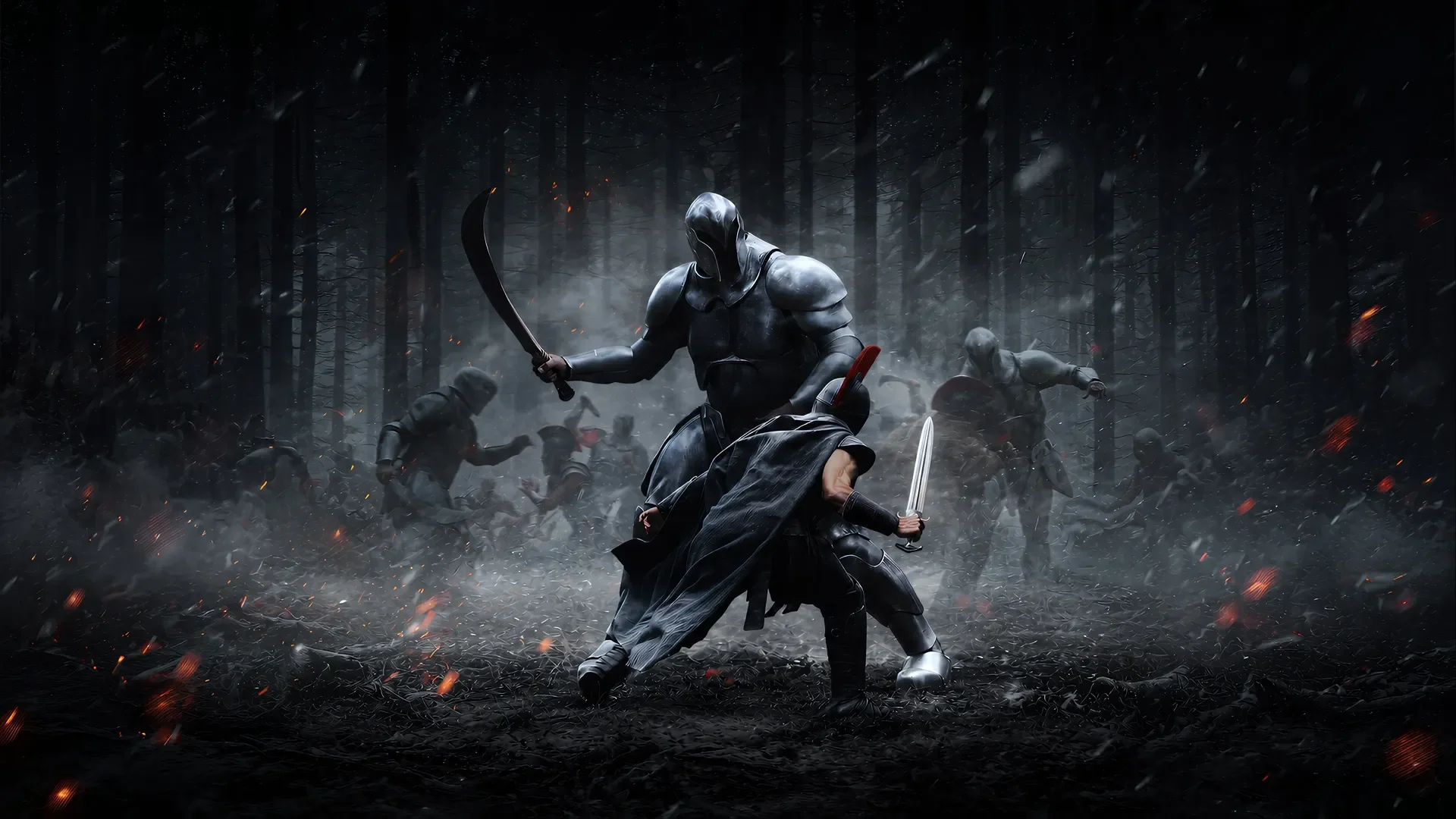
Image Credit: The Odyssey - Universal Pictures / Syncopy
Rethinking the Foundations of Myth
Much of the discourse surrounding the release of The Odyssey has focused on the bold casting and stylistic choices made by Nolan and producer Emma Thomas. We believe these decisions are exactly what make the film a towering masterpiece. Rather than adhering to an antiquated, textbook representation of Greek antiquity, the film breathes urgent, contemporary life into characters that have survived for millennia in the human imagination.
Casting Matt Damon as the battle-weary Odysseus grounds the perilous voyage home in a profound emotional reality. Damon reunites with Nolan to deliver a deeply human portrait of a king pushed to his absolute limits, in a story about finding humility and compassion amongst of sea of war and guilt. Alongside him, Anne Hathaway brings fierce intelligence and resilience to Penelope, while Tom Holland excels as their son, Telemachus. Robert Pattinson was also a fantastic choice, though where his performance shines is when he’s face-to-face with Holland. Jon Bernthal also makes an appearance, though his part felt quite limited.
The casting has drawn its share of internet chatter, particularly regarding Lupita Nyong'o in the dual roles of Helen of Troy and Clytemnestra, and Zendaya as the goddess Athena. However, despite the discourse that has come from social media, both actors deliver a presence that helps to humanise the characters they’re surrounding, and add many layers of depth to the story.
A Bold Approach to Language and Authenticity
A common talking point across social media has been the modern cadence and American accents adopted by the cast. Nolan has defended this approach by stating his goal was to present language that carries emotional meaning rather than strictly intellectual meaning. The original epic was an oral tradition meant to be spoken, felt, and understood immediately by its audience. By stripping away artificial theatricality, the dialogue feels immediate and devastating, and helps connect The Odyssey with an audience that wouldn’t have experienced it otherwise.
The inclusion of recording artist Travis Scott as a bard serves as a brilliant nod to this oral tradition, bridging the gap between ancient storytelling and modern rhythmic poetry. There’s also tremendous value in the casting of Elliot Page as Sinon. His performance adds a compelling layer to the deception of the Trojan Horse, highlighting Nolan's commitment to finding the absolute best actors to interpret these mythological archetypes.
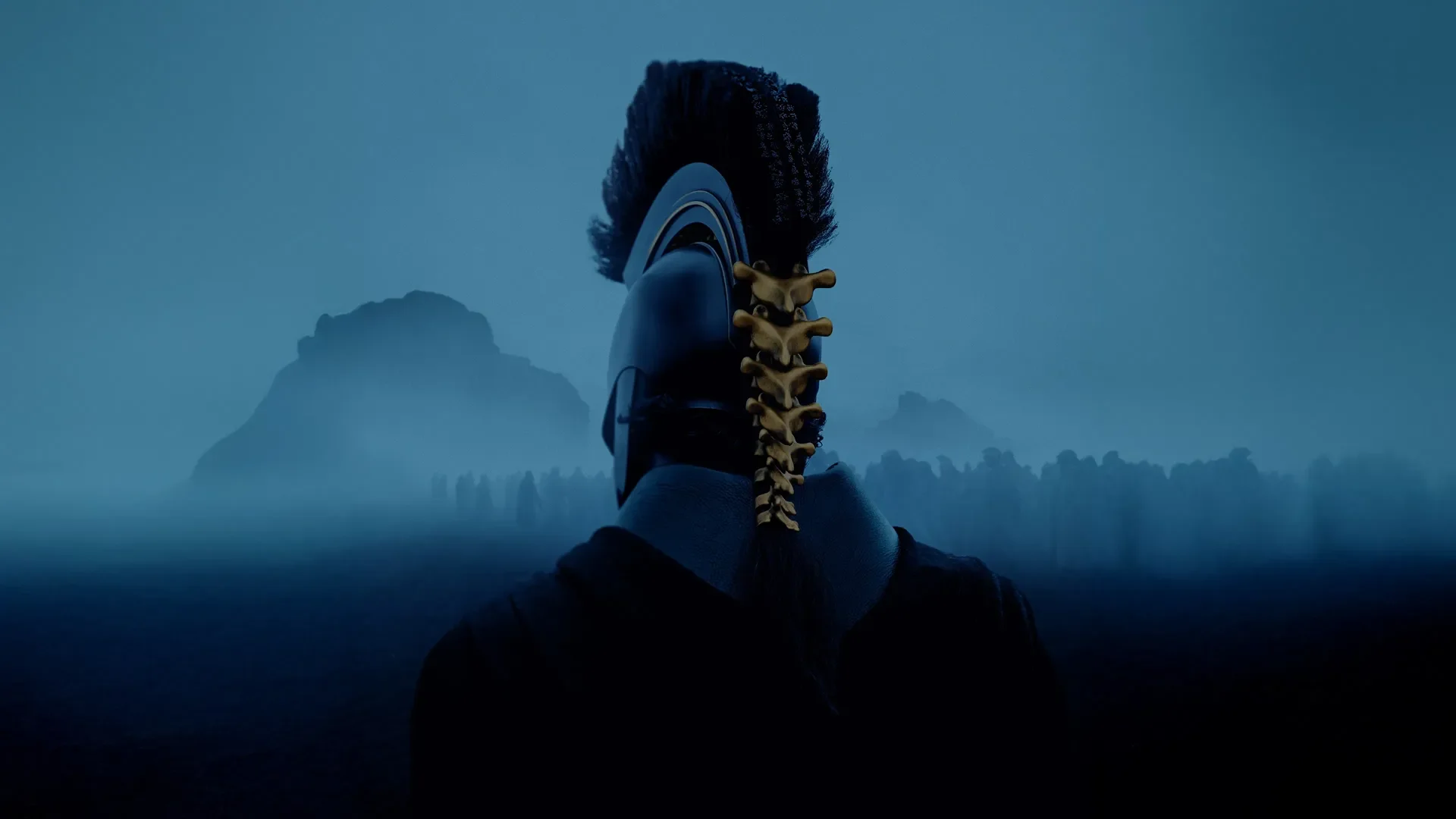
Image Credit: The Odyssey - Universal Pictures / Syncopy
A Masterclass in Visual Storytelling
When examining the technical achievements of The Odyssey, we must first address the sheer beauty of its cinematography. By choosing to shoot the entire feature on IMAX 70mm film cameras, the production team has captured the ancient world with an unprecedented level of clarity and depth - there are a plethora of behind-the-scenes videos that show the intricacies of shooting an entire movie on 70mm, and it’s far, far more intricate than you’d think.
The sweeping vistas of the Mediterranean sea and the rugged coastlines of Ithaca feel vast and immersive, pulling the audience directly into the heart of the journey. The contrast between the golden, sun-drenched beaches of safe havens and the oppressive, inky darkness of the underworld is striking - by far the best that Nolan has ever captured. It makes us curious what another incredible work of literature, such as The Divine Comedy, would look like in through Nolan’s eyes.
Perhaps the most staggering achievement of this production is the incredible visual fidelity achieved with a distinct lack of CGI. In an era where modern blockbusters heavily depend on digital post-production to create their fantasy worlds, this film takes a refreshingly tactile approach, at the same budget as the lacklustre Moana live-action remake. The tempests that batter the ship and the mythical beings that inhabit the islands were created using massive practical rigs, intricate puppetry, and forced perspective. This commitment to in-camera effects means that the actors have real, physical elements to interact with, which translates to a much more authentic performance on screen, and an absolute treat for those who fell in love with traditional film-making.
This commitment to practical filmmaking reaches its absolute pinnacle during the crew's encounter with the Cyclops - from the moment Odysseus and his crew step foot into the cave, tension was at an all-time high, with Nolan’s interest in horror finally making a show in his cinematography. The roar the Cyclops unleashes is a sound that will continue ringing in our minds for many years to come - it is not merely a loud sound effect. It is a visceral, bone-chilling shriek that rattles the theatre walls. The visual framing of the scene, paired with the deafening and distorted audio, creates an atmosphere of pure, suffocating dread.
This terrifying encounter highlights a fascinating shift in the director's tonal palette. While previous works from the director have explored tension and psychological distress, The Odyssey embraces the inherent monstrosity of Greek mythology. The creatures are not presented as magical wonders, but as terrifying aberrations of nature.
Expanding on the audio is Ludwig Göransson’s recreation of many forgotten instruments and themes, with the Siren’s song standing out as another memorable moment in the film, alongside the reoccurring sound of Odysseus’s bow string, creating moments of foreshadowing that make the grand reveal of his return even more impactful.
A Triumph at the Global Box Office
The sheer scale of this production is reflected in its monumental box office performance. The Odyssey has rapidly crossed the $1.1 billion mark, making it the highest-grossing film of Nolan's career. When a visionary director takes on a story of such immense scale, there is always a risk of buckling under the weight of expectations; Nolan has not only carried that weight but has forged a film that will undoubtedly be studied for decades. From the staggering practical effects of Odysseus steering his crew through treacherous waters, to the breathtaking costume designs by Ellen Mirojnick - every single frame is a feast for movie-goers, and makes for an absolutely unmissable experience that should be seen in 70mm, wherever possible.